
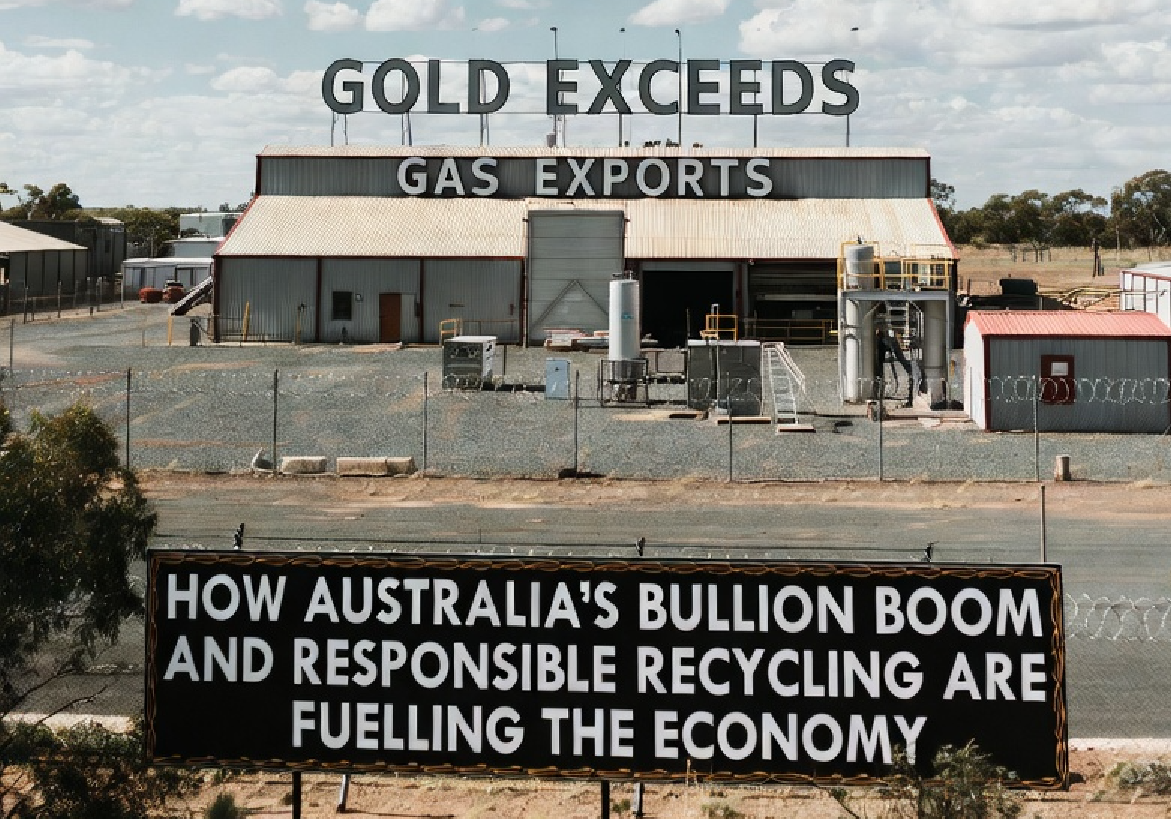
Australia’s gold industry is making headlines, delivering a major revenue windfall ahead of the May Federal Budget. For the first time, gold exports have overtaken natural gas, highlighting the metal’s growing importance to the Australian economy and its role as a strategic financial asset.
Treasurer Jim Chalmers is set to benefit from a remarkable rally in gold prices, which have surged more than 150% since early 2024 — climbing from US$4,300 an ounce in December to nearly US$5,200. This rapid ascent has exceeded Treasury forecasts and positioned gold as a key contributor to potential corporate tax revenue upgrades in the upcoming budget.
Gold Overtakes Gas
According to the Department of Foreign Affairs and Trade, Australian gold exports reached $16.5 billion in the final quarter of 2025, surpassing natural gas exports, which totalled $14.3 billion over the same period.
Australia remains the third-largest gold producer globally, holding around 22% of known world gold resources. The surge has been driven by:
- Heavy central bank buying, especially from emerging markets
- Expectations of lower global interest rates
- Rising geopolitical tensions
- Trade fragmentation and tariff impacts
- Ongoing global de-dollarisation initiatives
Budget Windfall – But Structural Challenges Remain
The gold rally adds to recent fiscal windfalls, alongside post-pandemic employment growth and elevated energy prices following the Russia-Ukraine conflict. Tax receipts are now near a 15-year high at 25.7% of GDP.
Economists, however, caution that commodity-driven revenue gains mask deeper structural weaknesses:
- AMP chief economist Shane Oliver estimates a $1–2 billion revenue boost but warns it won’t solve underlying fiscal issues.
- Deloitte Access Economics partner Stephen Smith projects a more modest $200–300 million contribution, noting Treasury’s traditionally conservative price assumptions.
Currency and Cost Considerations
The Australian dollar’s rise to around US71¢ (from the forecast US65¢) reduces local-currency export earnings, limiting the impact of higher gold prices. At the same time, rising labour and energy costs continue to pressure corporate margins across the economy.
Mining Investment and Market Performance
Exploration spending on new gold tenements rose 45% in the year to September 2025 (ABS). ASX-listed gold producers have also seen significant gains:
- Northern Star Resources: +70%
- Evolution Mining: +163%
- Regis Resources: +186%
Morgan Stanley predicts that additional producers, including Westgold Resources, Vault Minerals, and Greatland Gold, could join the S&P/ASX100, further increasing the sector’s presence in Australia’s top index.
Recycling Gold and Silver: Responsible and Sustainable
Alongside new mining, recycling gold and silver through the GoldCompany plays a crucial role in environmental responsibility. By recovering and reprocessing pre-owned jewellery, scrap metal, and industrial silver, GoldCompany helps reduce the need for energy-intensive mining and limits the ecological footprint associated with mineral extraction.
- Conserves natural resources: Recycling reduces pressure on mines and preserves existing deposits.
- Reduces carbon emissions: Less mining activity means lower energy consumption and fewer greenhouse gas emissions.
- Supports a circular economy: Valuable metals are continuously re-used, maintaining economic value without harming the environment.
By encouraging customers to recycle their gold and silver, GoldCompany provides an ethical alternative to traditional mining, while still contributing to the nation’s bullion supply and helping strengthen Australia’s economic position.
“The Lucky Country” – For Now
Economist Chris Richardson highlights Australia’s resource diversity:
“With 27 million people on our own continent, we have a depth of options — from coal and iron ore to gold and rare earths. This diversification gives the economy resilience in uncertain times.”
Is Structural Reform the Answer?
Despite the gold windfall, long-term fiscal pressures remain. Rising spending on childcare, defence, and the National Disability Insurance Scheme means the federal budget continues to face persistent deficits.
Analysts argue that broader economic reform — including a potential change of government — is needed to restore fiscal discipline, encourage private sector investment, and support sustainable growth. Without it, commodity windfalls risk merely postponing deeper structural adjustments.
GoldCompany Insight
Gold’s surge is reshaping Australia’s export landscape and reinforcing bullion as a strategic national asset. Meanwhile, recycling gold and silver responsibly through GoldCompany supports environmental sustainability while strengthening Australia’s economic position. The key question remains: will these windfalls drive meaningful reform, or simply mask structural challenges heading into the May budget?
Comments are closed